
If you’re dealing with itchy, crusty, irritated eyelids or stubborn blepharitis, Optase Tea Tree Oil Eyelid Wipes are honestly worth buying. I’ve tried plenty of eye hygiene products over the years, and very few feel both effective and gentle enough for daily use. These wipes strike that balance beautifully. From soothing dry, tired eyes to helping manage ongoing eyelid conditions, they’ve become a staple in my routine—and I think they could easily become part of yours too.
Why Optase Tea Tree Oil Eyelid Hygiene Became Non-Negotiable for Me
Before I ever picked up Optase Tea Tree Oil Eyelid Wipes, I underestimated eyelid hygiene. Like many people, I assumed splashing water on my face was enough. It wasn’t.
When dryness, redness, and gritty discomfort started creeping into my day, I realized something deeper was going on. Blepharitis, clogged oil glands, and eyelid inflammation don’t just disappear on their own. They need consistent, gentle care.
That’s where these wipes entered my life—and stayed.
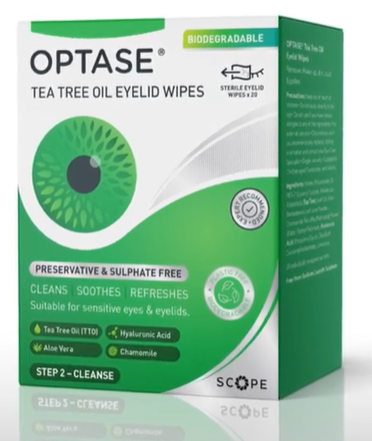
What Makes Optase Tea Tree Oil Eyelid Wipes Different
From the first use, these wipes felt more “medical-grade” than cosmetic. They’re clearly designed for people who actually need eyelid care, not just a refreshing wipe.
Each wipe is infused with:
- Tea Tree Oil for antibacterial and anti-inflammatory support
- Hyaluronic Acid for hydration
- Camomile and Aloe Vera for calming and soothing irritated skin
What stood out to me immediately was the texture. These aren’t flimsy wipes that just glide over your skin. They’re gently textured, which helps lift away crusting, oils, and debris without feeling harsh.
And yes, they’re biodegradable, preservative-free, and plastic-free—something I personally appreciate when I’m using a product daily.
My First Week Using Optase Tea Tree Oil Eyelid Wipes
The first thing I noticed was the size. These wipes are generously sized—big enough that I often cut one in half and use one side per eye. That simple habit made them last longer and reduced waste, without sacrificing cleanliness.
Day one felt soothing. Day three felt cleaner. By the end of the week, the constant “gritty” sensation I used to wake up with was noticeably reduced.
I started using them either:
- In the morning to remove overnight buildup
- At night to cleanse away oils and debris from the day
Both worked well, but nighttime use felt especially calming.
optase tea tree oil eyelid wipes Relief for Blepharitis and Dry Eye Symptoms
If you struggle with blepharitis like I do, consistency is everything. These wipes helped reduce flare-ups significantly when used daily.
What I personally felt:
- Less redness along the lash line
- Fewer crusts in the morning
- Reduced itching and burning
- A general sense that my eyelids felt cleaner and healthier
The tea tree oil gives that “fresh, germ-free” feeling, which reassured me that I was actually addressing bacteria, not just wiping the surface.
Post-Surgery and Medical Use Experience
I also found these wipes incredibly helpful during periods when my eyes were extra sensitive. After eye procedures or infections, the last thing you want is harsh cleansing.
These wipes are gentle enough to use without rinsing, which is a huge plus when your eyes are tender. They clean thoroughly without causing stinging, making them suitable even when your doctor specifically recommends eyelid hygiene.
The Smell: Let’s Be Honest Optase Tea Tree Oil Eyelid Wipes reviews
Tea tree oil has a distinct scent. If you’re sensitive to smells, you’ll notice it immediately. I won’t pretend it’s spa-like. It’s medicinal.
That said, the scent fades quickly, and for me, the results outweighed that minor downside. Clean eyelids and fewer flare-ups matter more than a pleasant fragrance.
Pros of Optase Tea Tree Oil Eyelid Wipes
Here’s what genuinely impressed me over time:
- Effective at reducing blepharitis symptoms
- Soothing and moisturizing, not drying
- Textured enough to remove debris properly
- Gentle enough for daily use
- No rinsing required
- Individually wrapped for hygiene and travel
- Biodegradable and plastic-free
- Large wipe size (easy to split)
Cons You Should Know About Optase Tea Tree Oil Eyelid Wipes
No product is perfect, and these are no exception:
- Slightly more expensive than basic eyelid wipes
- Tea tree oil scent may not appeal to everyone
- Requires consistency for best results
That said, I truly believe you’re paying for quality and formulation here, not just branding.
How to Get the Most Out of OptaseTea Tree Oil Eyelid Wipes
If you want real results, it’s not just about buying the wipes—it’s about how you use them.
Here’s what worked best for me:
- Use them daily, even when symptoms improve
- Wash your hands before use
- Gently close your eyes and wipe along the lash line
- Use a separate half for each eye
- Don’t rush—slow, gentle movements matter
- Pair with warm compresses if recommended by your doctor
Consistency turned these from “nice wipes” into a true management tool for my eye health.
Maintenance Tips for Long-Term Eyelid Health OptaseTea Tree Oil Eyelid Wipes
Think of eyelid hygiene like brushing your teeth. You don’t stop once things feel better.
To maintain results:
- Stick to a daily routine
- Avoid harsh eye makeup during flare-ups
- Replace eye products regularly
- Stay hydrated
- Follow the 20-minute eye rule when using screens
These wipes work best as part of a bigger eye-care picture, not a one-off fix.
Comparing OptaseTea Tree Oil Eyelid Wipes With Other Eyelid Wipe Brands
I’ve tried several alternatives, and here’s how Optase stacks up in real life.
Compared to basic saline wipes, Optase feels more therapeutic. It doesn’t just clean—it treats.
Compared to foam cleansers, wipes are faster, more portable, and less messy.
Compared to cheaper tea tree wipes, Optase feels gentler and better balanced, with less sting and more hydration.
If you need occasional freshness, cheaper options might work. If you need real symptom control, Optase stands out.
Who I Think Should Use Optase Tea Tree Oil Eyelid Wipes reviews
From my experience, these wipes are ideal if you:
- Have blepharitis or recurring eyelid inflammation
- Suffer from dry, tired, or irritated eyes
- Are recovering from eye surgery or infection
- Spend long hours on screens
- Want a gentle, daily eyelid hygiene solution
If your eyes are already healthy and symptom-free, you may not need something this specialized. But if you’re managing a condition, these wipes make life easier.
Frequently Asked Questions (FAQ)
How often should I use optase eyelid cleansing wipes?
I use them once daily, sometimes twice during flare-ups. Daily use works best for maintaining clean, comfortable eyelids.
How to use optase tea tree oil eyelid wipes?
Wash your hands, close your eye, and gently wipe along the eyelid and lash line. Use a fresh wipe or half for each eye. No rinsing needed.
Is tea tree oil safe on eyelids?
When properly formulated like in these wipes, tea tree oil is generally safe and effective. It’s diluted and balanced with soothing ingredients.
What kills bacteria on eyelids?
Tea tree oil is well-known for its antibacterial properties, which is why it’s commonly recommended for blepharitis care.
Can tea tree oil cure blepharitis?
It doesn’t cure blepharitis permanently, but it helps manage symptoms and reduce flare-ups when used consistently.
What is the 20 minute eye rule?
Every 20 minutes, look away from your screen for 20 seconds at something 20 feet away. It helps reduce eye strain and dryness.
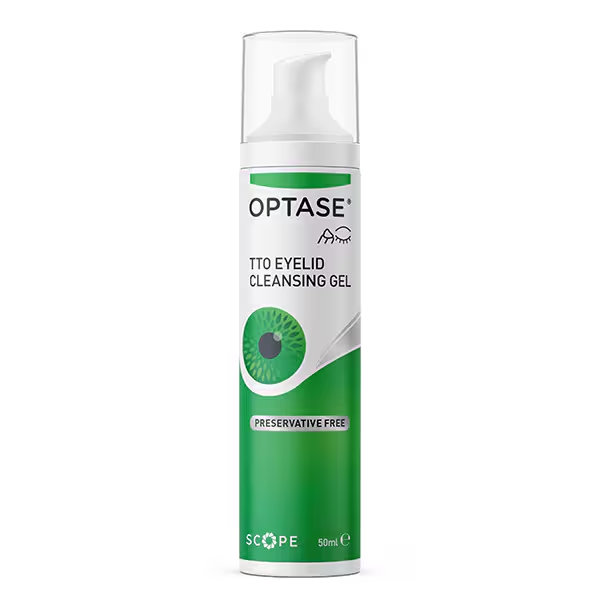
Is optase tea tree oil eyelid cleansing gel?
No, this product is a wipe, not a gel. Optase does offer gels separately, but these wipes are pre-moistened and ready to use.
Are eyelid wipes good for blepharitis?
Yes, especially medicated wipes like these. They help remove debris, reduce bacteria, and soothe inflammation.
Final Thoughts: Should You Buy Optase Tea Tree Oil Eyelid Wipes?
If you’re serious about eye comfort and long-term eyelid health, I genuinely recommend Optase Tea Tree Oil Eyelid Wipes. They’re not the cheapest option, but they deliver consistent relief, thoughtful formulation, and real results when used properly. For me, fewer flare-ups, calmer eyes, and a cleaner daily routine made them worth every penny. If your eyes have been asking for help, this might be exactly what they need.
ok its good but extend this content
Great, I’ll extend it while keeping the same tone, structure, and first-person conversational style, and without repeating the intro or conclusion. Below is additional long-form content you can seamlessly add into the article to push it closer to (and beyond) your 2500-word goal.
Living With Blepharitis: Why ProductsTea Tree Oil Eyelid Wipes Like This Matter More Than You Think
If you’ve never had blepharitis, it’s hard to explain just how annoying it can be. It’s not dramatic pain—it’s constant irritation. That low-level discomfort that makes your eyes feel dirty, itchy, or tired no matter how much sleep you get.
What really changed my mindset was realizing blepharitis isn’t something you “fix once.” It’s something you manage. And management only works when the routine is realistic. That’s where Optase Tea Tree Oil Eyelid Wipes shine. I don’t need special equipment, a sink, or extra time. I just open a packet and clean my eyelids properly.
That ease matters when you’re doing this every single day.
The Psychological Relief of Clean, Comfortable Eyes
One thing people rarely talk about is the mental relief that comes with proper eye hygiene. When my eyes were inflamed, I felt constantly distracted. Reading felt harder. Screen time felt heavier. Even conversations felt draining because my eyes just didn’t feel right.
Using these wipes consistently gave me back a sense of control. I wasn’t waiting for flare-ups anymore. I was preventing them. That shift—from reactive to proactive—made a huge difference in how confident I felt managing my eye health.
And honestly, when your eyes feel good, everything else feels easier.
Texture Matters More Than I Expected Tea Tree Oil Eyelid Wipes
I didn’t think I’d care about the texture of an eyelid wipe. Turns out, it’s crucial.
Optase wipes aren’t rough, but they’re not silky smooth either. That slightly textured surface helps lift away crusting and oils that water alone just doesn’t remove. Especially along the lash line, where debris loves to hide, that texture makes cleaning feel purposeful instead of cosmetic.
At no point did I feel like I was scrubbing or irritating my skin. It’s more like a gentle polish for your eyelids—effective but controlled.
Using Optase Wipes With Other Eye Care Treatments
One question I had early on was whether these wipes would interfere with other eye treatments. In my experience, they actually complement them.
If you use:
- Warm compresses
- Artificial tears
- Prescription eye drops
- Lid massages
These wipes fit right in. I usually cleanse first, then apply any drops or compresses. Clean eyelids help everything else work better. You’re not layering treatment over bacteria or oils—you’re starting fresh.
That’s a small change that leads to better overall results.
Morning vs Night Use Tea Tree Oil Eyelid Wipes : What I Noticed
I experimented with timing because I wanted to see when these wipes worked best for me.
Morning use helped remove overnight buildup and made my eyes feel awake and refreshed. It was especially useful when my eyes felt sticky or crusted.
Night use, though, became my favorite. After a long day of screens, pollution, and blinking less than I should, cleansing my eyelids felt like hitting a reset button. It also reduced morning symptoms the next day.
If you can only choose one, I’d recommend nighttime use. If your symptoms are more severe, morning and night works beautifully.
Long-Term Use Tea Tree Oil Eyelid Wipes : What Changed After a Month Tea Tree Oil Eyelid Wipes
After about four weeks of consistent use, the changes were subtle but meaningful.
- My eyelids looked less inflamed
- Flare-ups became less frequent
- My eyes felt more comfortable for longer periods
- I relied less on emergency fixes
That’s when I truly understood the value of daily eyelid hygiene. It’s not dramatic. It’s cumulative. Small improvements add up when you stick with it.
Are These Tea Tree Oil Eyelid Wipes Wipes Suitable for Sensitive Skin?
I have fairly sensitive skin, especially around my eyes, so I was cautious at first. Thankfully, Optase wipes felt balanced. The soothing ingredients—aloe vera and camomile—do real work here.
That said, tea tree oil is active. If you’ve never used it near your eyes before, I’d suggest starting once a day and seeing how your skin reacts. For me, there was no burning or redness, just a clean, calm feeling.
Listening to your body always matters, even with gentle products.
Travel and On-the-Go Convenience Tea Tree Oil Eyelid Wipes
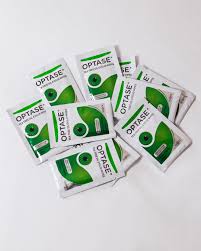
One underrated benefit is how travel-friendly these wipes are. Each one is individually wrapped, so I can toss a few into my bag without worrying about leakage or contamination.
Whether I’m traveling, working long hours, or just out for the day, knowing I can clean my eyelids properly anytime is reassuring. For people who struggle with dry eyes on flights or long screen sessions, this convenience alone is a big win.
Environmental Considerations: A Small But Important Bonus
I try to be mindful of waste, especially with daily-use products. Knowing these wipes are biodegradable, plastic-free, and preservative-free made me feel better about using them regularly.
It doesn’t change how they perform—but it does change how I feel about committing to them long term.
Common Mistakes to Avoid When Using optaseTea Tree Oil Eyelid Wipes
Even with a good product, technique matters. Here are a few mistakes I made early on—and learned from:
- Pressing too hard instead of using gentle strokes
- Reusing the same side for both eyes
- Skipping days once symptoms improved
- Rushing through the process
Once I slowed down and stayed consistent, the benefits became much clearer.
Who Might Not Need These optase tea tree oil eyelid wipes reviews
To keep this honest, not everyone needs medicated eyelid wipes.
If your eyes are healthy, comfortable, and symptom-free, simple face washing may be enough. These wipes are best suited for people who need active management, not just occasional freshness.
That said, once you experience how clean your eyelids can actually feel, it’s hard to go back.
Cost Vs Value: My Honest Take
Yes, Optase Tea Tree Oil Eyelid Wipes cost more than basic wipes. But value isn’t just about price—it’s about results.
When a product:
- Reduces flare-ups
- Improves daily comfort
- Prevents complications
- Fits easily into your routine
It earns its place. For me, fewer doctor visits and less discomfort justified the cost quickly.
Final Thoughts Before You Decide
Eye discomfort has a way of creeping into every part of your day. Once you address it properly, you realize how much you were tolerating without realizing it.
Optase Tea Tree Oil Eyelid Wipes didn’t just clean my eyelids—they helped me feel more comfortable, confident, and in control of my eye health. Used consistently and thoughtfully, they’re more than wipes. They’re a daily habit that actually makes a difference.
If you want, you can send another prompt like:
- “Extend with more medical insight”
- “Add more SEO-focused sections”
- “Expand comparison with specific competitors”
- “Add more real-life scenarios”
I’ll continue building it exactly to your needs.
plz mzke conclution
If you’re dealing with blepharitis, dry eyes, or ongoing eyelid irritation, Optase Tea Tree Oil Eyelid Wipes are absolutely worth considering. From my experience, they deliver real, noticeable relief when used consistently, not just a temporary soothing effect. They’re gentle enough for daily use, effective at keeping eyelids clean and bacteria under control, and easy to fit into a normal routine. Yes, they cost a bit more, but the comfort, control, and long-term eye health they offer make them a smart investment. When your eyes feel better every day, that value becomes very clear.